SC Legislative Black Caucus Pulls Five-Alarm Warning in Rock Hill Over Statehouse Politics


By Javar Juarez | CUBNSC | Legislative Town Hall
ROCK HILL, S.C. — What began as a routine town hall quickly turned into something far more urgent.
South Carolina Representative John King (D-York County, District 49) convened a fiery and sobering public meeting Saturday at the Freedom Center in Rock Hill, bringing together members of the South Carolina Legislative Black Caucus to discuss the growing challenges facing communities across the state.
But the message that emerged from the panel was unmistakable.
This was not simply a community meeting. It was a five-alarm warning about the direction of governance in Columbia.
Joining King on the panel were several members of the Legislative Black Caucus, including:
Representative Annie E. McDaniel (D-District 41, Fairfield and Chester Counties), Chair of the South Carolina Legislative Black Caucus
Representative Hamilton Grant (D-District 79, Richland County)
Representative Kambrell Garvin (D-District 77, Richland County)
Representative Courtney Waters (D-District 113, Charleston County)
Representative Keishan Scott (D-District 50, Sumter, Lee, and Kershaw Counties)
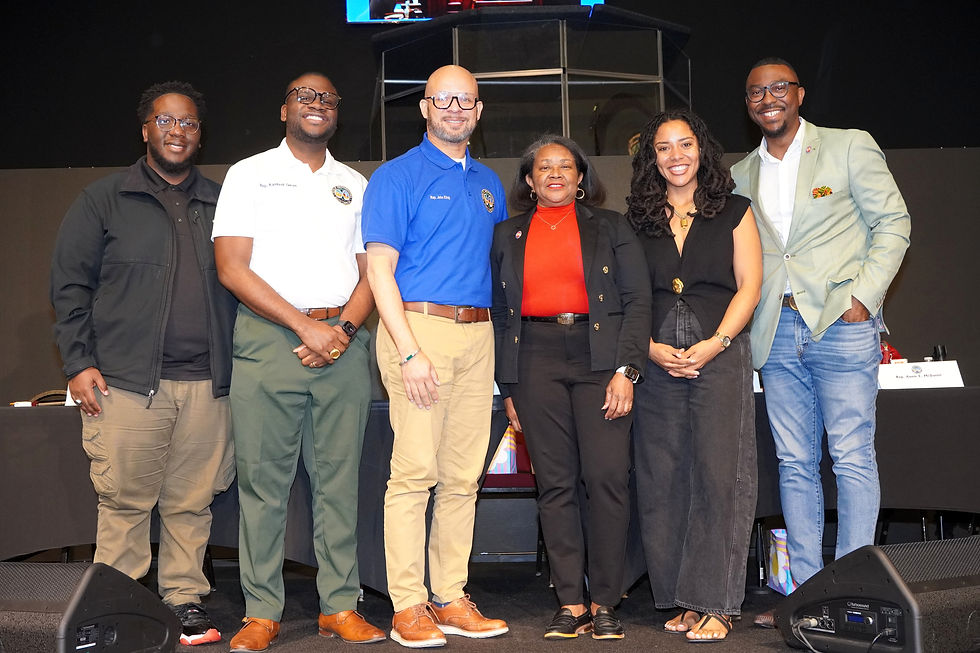
Throughout the discussion, lawmakers addressed issues that dominate the daily lives of South Carolinians: mental health services, education policy, roads and infrastructure, homelessness, housing affordability, voter access, and economic development.
Yet beneath each of these topics was a deeper concern voiced repeatedly by the panelists.
South Carolina’s General Assembly is currently controlled by a Republican supermajority that Democrats say has become increasingly ideological, increasingly partisan, and increasingly unwilling to negotiate on policy.
“We can bring the analytical data, the research, the expertise,” Legislative Black Caucus Chair Annie McDaniel told the audience. “But when decisions have already been made by the majority party, we simply do not have the numbers.”
SC Legislative Black Caucus on a Legislature Controlled by Numbers

The structural imbalance of power inside the State House was one of the most discussed realities during the forum, with members of the SC Legislative Black Caucus warning that the current political landscape leaves little room for meaningful bipartisan negotiation.
Democrats currently hold 36 of the 124 seats in the South Carolina House of Representatives, while Republicans maintain a supermajority capable of advancing legislation with minimal opposition.
According to Representative King, Democrats would need six additional seats to break that supermajority and force genuine legislative negotiation.
Without those seats, panelists warned, policies affecting millions of South Carolinians are often decided without meaningful debate.
Representative Keishan Scott described a striking example from a committee debate over a parental rights bill.
Scott recounted how Representative Courtney Waters introduced an amendment that was rejected simply because it carried her name. Moments later, a Republican lawmaker submitted the exact same amendment, removed Waters’ name, and the measure passed unanimously.
“That lets you know exactly how much they think of us as members,” Scott said.
The broader tone of partisan hostility is increasingly visible in public rhetoric as well.
On March 4, 2026, Republican Representative April Cromer posted on Facebook criticizing fellow Republicans for supporting judicial candidates she labeled Democrats.
“I will never understand how Republicans can have a supermajority and yet still vote for Democrats to be judges in our state,” Cromer wrote.

The South Carolina Freedom Caucus echoed the criticism, warning that judges who are not ideologically aligned with conservative priorities could “strike down conservative laws.”
For many observers, the rhetoric reflects a growing trend where judicial independence, policy debate, and bipartisan governance are increasingly framed as partisan threats.
For South Carolinians concerned about innovation, fairness, and the integrity of law, that trend should be alarming.
A Five-Alarm Legislative Agenda

The urgency of the Black Caucus’ warning stems from a wave of legislation introduced this session that lawmakers say threatens civil rights and democratic norms.
Panelists pointed to several controversial proposals, including:
Legislation requiring the Ten Commandments to be displayed in every classroom in South Carolina public schools
Bills targeting LGBTQ residents and families
Continued efforts restricting women’s reproductive rights
Ongoing attacks on diversity, equity, and inclusion initiatives
Attempts to eliminate or undermine African American history education
According to education advocates, the Ten Commandments mandate alone could cost more than $700,000 statewide to implement.
The proposal also arrives amid growing calls for a comprehensive audit of the South Carolina Department of Education under Superintendent Ellen Weaver, whose leadership has come under scrutiny following revelations surrounding the state’s School Choice voucher program. Reporting has raised concerns about limited oversight and accountability, with funds reportedly being used in ways lawmakers did not intend.
Investigations revealed that some families participating in homeschooling arrangements were able to access voucher funds and use them for purchases such as electronics, despite the program originally being designed to support students attending private schools. In some cases, families reportedly left the state while still receiving funds.
Even prominent Republicans have acknowledged the damage the controversy has done to public confidence. Senate Majority Leader Shane Massey stated that the situation has eroded public trust in the Department of Education, fueling bipartisan calls for deeper review of the program’s financial management.
Against that backdrop, critics argue that diverting hundreds of thousands of dollars toward religious classroom displays raises broader questions about fiscal priorities, transparency, and accountability within South Carolina’s education system.
Representative Kambrell Garvin warned that the direction of recent legislation reflects a broader cultural regression.
“We’re seeing policies that feel more like 1966 than 2026,” Garvin said.
Culture Wars vs. Public Needs
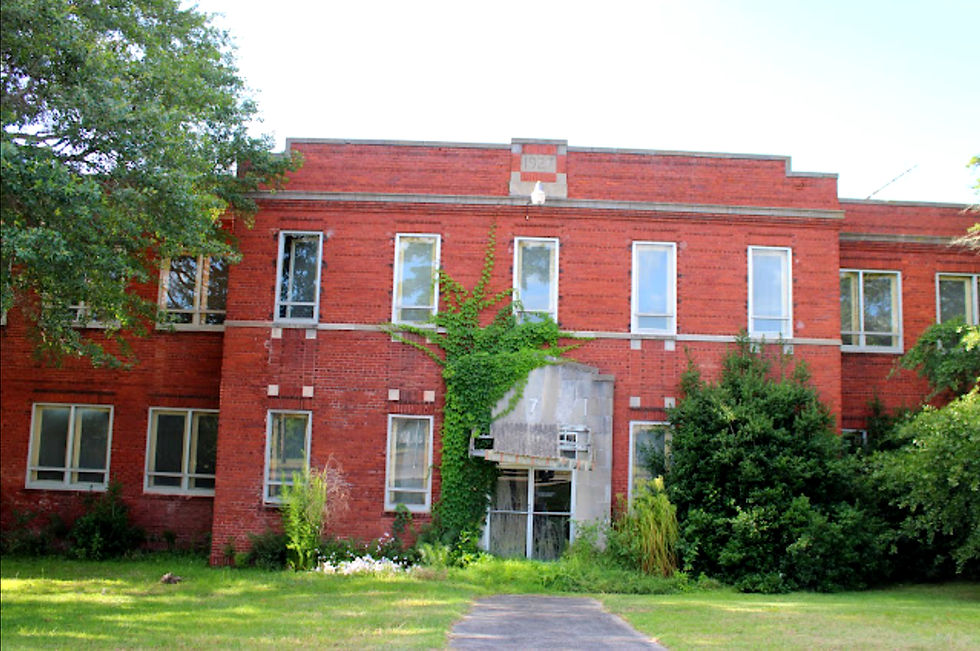
While ideological debates dominate the legislative agenda, panelists said urgent issues affecting everyday South Carolinians remain stalled.
Mental health was one of the most personal examples raised during the meeting.
Representative King spoke candidly about his own family’s experience navigating South Carolina’s mental health system.
“My family member suffers with mental illness,” King told the audience. “I have introduced legislation to bring agencies together and streamline access to care. Republicans have done nothing with my legislation.”
King pledged to formally request a hearing on the bill, even though doing so challenges House leadership and is considered an uncommon procedural move.
Mental health has long been a major concern in South Carolina, where both rural and urban communities struggle with access to treatment.
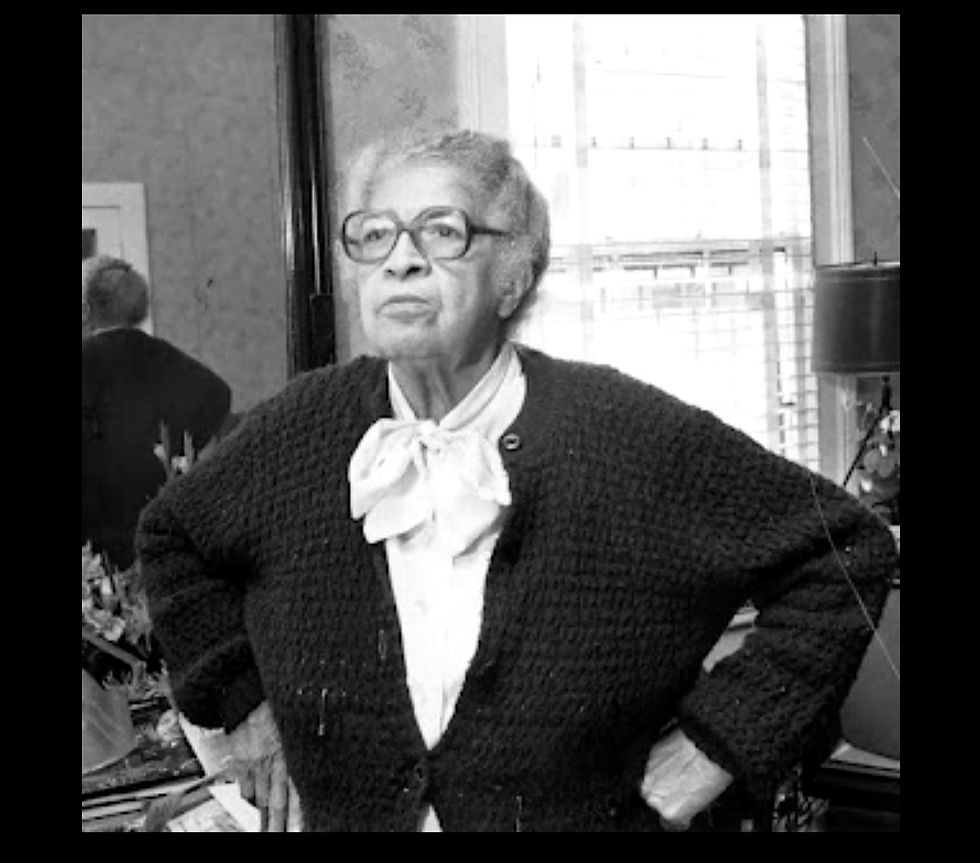
Historically, advocates such as civil rights leader Modjeska Simkins pushed for reforms at institutions like the Bull Street State Hospital and Crafts-Farrow State Hospital, highlighting abusive conditions and demanding humane care for patients.
Today, the crisis continues in different forms.
In white communities, suicide rates have risen dramatically. In Black communities, experts increasingly describe untreated trauma and systemic stress as conditions similar to post-traumatic stress disorder.
Yet despite these realities, lawmakers said meaningful mental health reform remains stalled in Columbia.
Housing, Homelessness, and the Cost of Growth
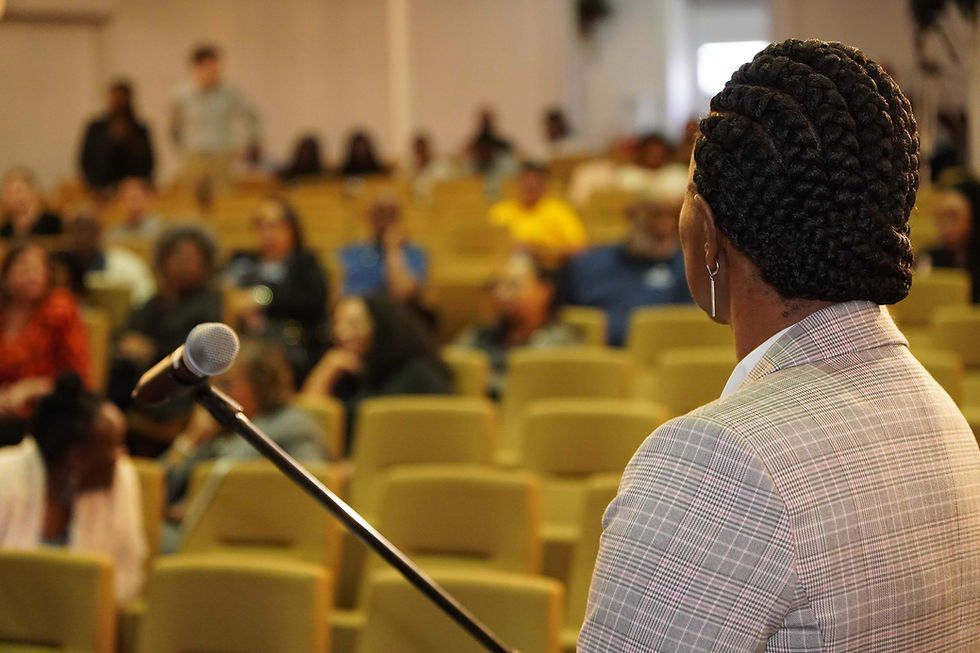
Housing affordability and homelessness were also central concerns raised during the town hall.
Representative Courtney Waters warned that South Carolina’s economic model has failed to adequately support community services and affordable housing programs.
“The reality is, in this state, South Carolina just doesn’t concern itself with supporting the service sector,” Waters said.
Meanwhile, Representative Garvin pointed to rapidly rising housing costs.
“Ten years ago I rented an apartment for about $1,000,” Garvin said. “That same apartment is now $2,300.”
South Carolina continues to experience record population growth, fueled by corporate investment, manufacturing expansion, and migration from other states.
But lawmakers warned that growth carries a darker side.

Many newcomers arrive with little understanding of the state’s complex racial history and cultural landscape. That disconnect often produces political backlash that disproportionately impacts Black communities and other marginalized groups.
At the same time, rising property values, gentrification, and tax pressures threaten long-standing residents in historically Black neighborhoods.
The Road to 2026

Despite the gravity of the discussion, the town hall carried a clear message of political strategy and civic action.
The Legislative Black Caucus repeatedly urged residents to focus on voter registration, turnout, and engagement ahead of the 2026 midterm elections, which several panelists described as a pivotal moment for the future balance of power in South Carolina.
Chairwoman Annie E. McDaniel stressed that community participation must extend beyond simply casting a ballot.
Residents, she said, should monitor voter rolls, participate in local boards and commissions, and remain vigilant about ensuring public resources are distributed fairly.
“Every vote this election year is going to matter,” McDaniel told the audience.
Representative Keishan Scott, one of the youngest members of the South Carolina General Assembly, echoed that call while specifically urging young people to become more engaged in the political process.

Scott pointed to his own election as proof that even the smallest levels of civic participation can reshape political outcomes. When he ran for the State House, he won his Democratic primary by just 11 votes after personally reaching out to classmates and young voters in his community.
“I went through and called everyone I knew that was still in the county and registered to vote,” Scott told the audience. “Eleven of those people showed up, and that’s what helped win the election.”
Scott said the experience demonstrates how young voters can play a decisive role in elections that often see low turnout, particularly in primary races and special elections.
“We have to meet them where they are,” he said, emphasizing that education, outreach, and direct engagement are essential to helping young voters understand that their participation truly matters.
Representative Courtney Waters also outlined several legislative districts where Democratic candidates could realistically flip seats in 2026, noting that even modest gains could dramatically reshape the legislative landscape.
If Democrats pick up just a handful of seats, panelists said, they could break the Republican supermajority and restore meaningful debate inside the State House.
A Political Crossroads for South Carolina

By the end of the meeting, the atmosphere inside the Freedom Center was not one of resignation.
It was one of urgency.
Audience members asked detailed questions, with many expressing frustration at what they view as a government increasingly disconnected from everyday concerns.
One thing became clear as the discussion concluded.
The Rock Hill community strongly believes in Representative John King, who colleagues described as one of the most persistent voices challenging legislative power in Columbia.
With earmarks eliminated, legislative power concentrated, and ideological divisions widening, the battle for policy direction in South Carolina is far from over.
And according to the lawmakers who gathered in Rock Hill, the next chapter of that fight will not be decided in committee rooms or subcommittee hearings.
It will be decided by the voters of South Carolina.


Comments