High Energy Bills: New SC Bill H5282 Targets Utility Practices as Energy Demand Surges


The proposed Utility Billing Accountability and Consumer Protection Act would require utilities to obtain regulatory approval before changing billing practices, increase transparency for ratepayers, and create new oversight measures as South Carolina faces rising energy demand and expanding data center development.
By Javar Juarez | CUBNSC
Columbia, S.C. - As South Carolina experiences an unprecedented surge in data center development and large-scale energy demands, a new bill introduced in the State House aims to protect everyday residents from the rising cost of utilities.
House Bill 5282, the Utility Billing Accountability and Consumer Protection Act, sponsored by Representative Robert T. Reese (District 70), is now in committee. The legislation represents one of the most direct attempts in recent years to strengthen consumer protections, increase transparency in utility billing, and ensure that the state’s regulatory system fully accounts for the financial strain energy costs place on households.
For many South Carolinians, especially those living in rural communities or on fixed incomes, electricity is not a luxury. It is a constant and unavoidable cost.
“You might pay your house off. You might pay your car off,” Reese said in an interview. “But you’re always going to be paying energy costs.”

The bill arrives at a moment when local governments across South Carolina are increasingly negotiating data center deals and large industrial energy projects that could significantly increase demand on the state’s power grid. While those projects promise economic development, they also raise serious concerns about how infrastructure costs and utility investments may ultimately affect ratepayers.
Reese’s legislation focuses on a simple but powerful principle: South Carolinians deserve transparency and accountability when their utility bills rise.
Why the Bill Was Introduced
Representative Robert T. Reese says the legislation emerged from a growing wave of complaints from constituents who say their monthly power bills have become increasingly difficult to manage.
“The reason that this legislation came about was because I kept getting complaints from constituents about high utility bills,” Reese explained. “Consumers felt like their energy bills have been skyrocketing and they just weren’t able to keep up with the rising costs.”
For many households, those rising costs are more than an inconvenience. They force painful financial tradeoffs.
“When people are paying these astronomical energy bills, it means they may have to go in lieu of other things that they have to pay,” Reese said. “Sometimes it’s medicine. Sometimes it’s food.”
In rural areas of South Carolina, the problem is often even more severe. Energy expenses can consume a significantly larger share of household income, particularly in communities with aging housing stock, limited energy efficiency upgrades, and fewer utility options.
As co-chair of the South Carolina Rural Caucus, Reese says he has seen firsthand how these rising costs disproportionately impact rural families.
“A significant amount of your household income goes toward energy,” he said. “When those costs increase, it puts families in a real financial bind.”
The Energy Burden Truth: What “Cheaper Rates” Conceal
Utility companies often argue that South Carolina’s energy rates are relatively low compared with other states. But that claim obscures a more important reality: the relationship between energy costs and household income.
Energy affordability is typically measured through what experts call “energy burden,” the percentage of a household’s income spent on electricity and other energy bills. Energy economists generally consider an energy burden of 6 percent or less to be affordable.
For many South Carolinians, however, that threshold is not even close.
Across the state, the average energy burden for low-income households is approximately 20 percent, with some communities experiencing burdens exceeding 50 percent of household income.
Put plainly: the widely accepted affordability benchmark is 6 percent, yet many South Carolina families are paying three to eight times that level just to keep the lights on.
Data from the U.S. Department of Energy’s Low-Income Energy Affordability Data (LEAD) Tool shows that the energy burden for low- and moderate-income households in some South Carolina counties reaches as high as 24 percent of total income.
Even for households above the poverty line, the strain is real.
The average South Carolinian spends about $138 per month on energy, placing the state among the higher monthly energy expenditures nationally.
For families already navigating stagnant wages, rising housing costs, and increasingly severe heatwaves, those energy bills can quickly become the deciding factor between paying for electricity or paying for other essentials.
Food. Medicine. Rent.
Those are exactly the kinds of choices Reese says the new legislation is meant to address.
What the Utility Billing Accountability Act Actually Does
House Bill 5282 creates a new framework within South Carolina law designed to improve oversight of how utilities set billing policies and how changes to those policies affect consumers.
The legislation contains several key components.
1. Greater Oversight of Utility Billing Changes
One of the bill’s central provisions requires utility companies to receive proper oversight before making major changes to billing practices.
According to Reese, some billing policies have been changed in the past without sufficient public input or review by regulators.
“There were changes or modifications to customer balance carryover and payment policies that were done without consumer input or Public Service Commission input,” Reese said. “That’s one of the reasons I wanted to craft this legislation.”
Under the bill, such changes would require transparency and regulatory review before they take effect.
2. Increased Transparency for Consumers
A major theme of the bill is ensuring that customers receive advance notice when changes could affect their bills.
Reese believes residents deserve the opportunity to prepare financially if rate changes are coming.
“If I understand that there’s going to be an increase in my utility bill, I can better plan for that in my household,” he said. “Citizens of South Carolina should be privy to that information.”
The legislation pushes utilities toward clearer billing disclosures and more transparent communication with customers.
3. Stronger Consumer Protections for Payment Plans and Arrears
The bill addresses billing practices related to overdue balances, payment plans, and arrears.
These practices can dramatically increase the financial burden on families who fall behind on their bills.
Reese noted that certain policy changes around arrears and balance carry-forwards can create situations where residents struggle to catch up.
“These changes in policies around arrears and balance carry forward can put customers in a quandary about being able to pay their electric bill,” he said.
The legislation gives regulators stronger authority to monitor these policies and protect customers.
4. Data Collection on Shutoffs and Energy Burden
One of the most significant aspects of the bill is its requirement that utilities provide better data on how energy costs impact residents.
Currently, Reese says regulators may lack important information when evaluating rate increases.
“How many residents in South Carolina are losing their electricity? How long are those shutoffs?” Reese asked. “Those things aren’t known when commissioners are evaluating rate increases.”
The legislation calls for data reporting on shutoffs, arrears, and reconnections, allowing policymakers to understand how energy costs affect households across the state.
5. Protections for Rural Households
The bill also creates protections for what it defines as “rural energy-burdened households.”
Utilities would be required to:
Offer extended payment plans
Refer customers to energy assistance programs
Avoid disconnections during extreme weather events
Provide clearer billing information
The legislation also requires utilities to submit annual reports detailing how rates, fees, and surcharges affect rural customers.
This data will allow regulators to consider rural energy burdens during rate proceedings.
6. Penalties for Violations
To enforce the law, the bill allows the Public Service Commission to impose fines of up to $50,000 per day for violations and potentially deny utilities the ability to recover certain costs in future rate cases.
Customers who are harmed by unapproved billing changes could also receive restitution or bill credits.
The Data Center Question
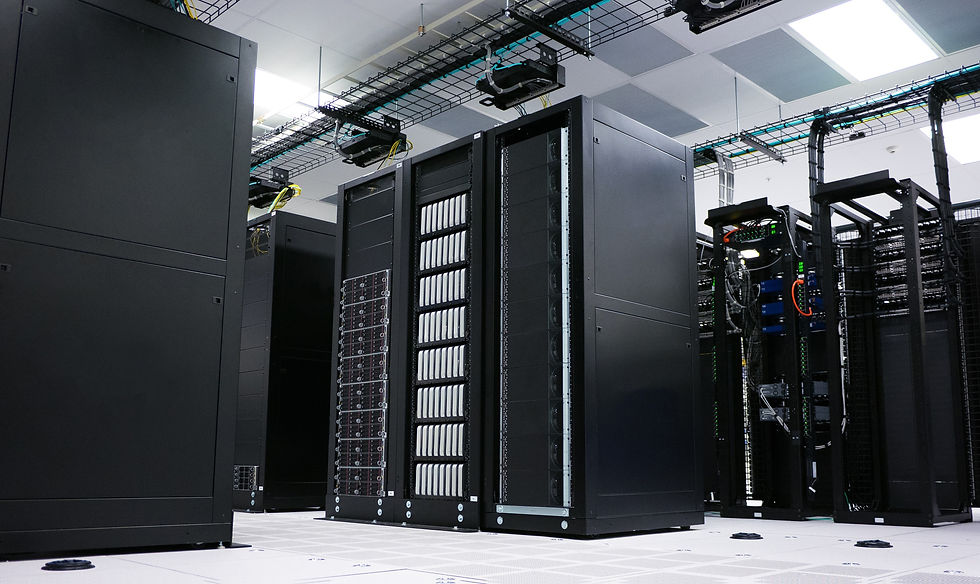
Although House Bill 5282 focuses primarily on billing transparency and consumer protection, it enters the legislative arena at a time when data centers are rapidly reshaping the state’s energy landscape.
Across South Carolina, cities and counties are negotiating deals with major technology companies to build massive computing facilities that require enormous amounts of electricity.
These facilities can consume as much power as entire small cities.
While economic development officials often celebrate these projects for their tax revenue and investment potential, critics warn that the infrastructure required to support them could lead to future rate increases for residential customers.
Reese acknowledged that data center expansion is part of the larger energy conversation.
“There are a lot of people very interested in these issues when you talk about data centers and the things that are affecting energy bills,” he said.
By strengthening regulatory oversight and improving transparency, Reese hopes the bill ensures that South Carolinians are not left in the dark about the financial impact of major energy developments.
Empowering Citizens in the Energy Debate

In addition to the Utility Billing Accountability Act, Reese says he is also exploring complementary legislation that would encourage greater public engagement in energy policy.
“It’s part of our responsibility as informed citizens to understand these issues around energy,” Reese said.
If utilities are allowed to change billing systems without oversight, he warns, households could lose control over a major portion of their budgets.
“If we allow utility companies to have a carte blanche ability to change billing systems whenever they want,” he said, “we’re going to find ourselves subjugated to those utility companies and not having much control over how much of our household income goes toward energy.”
What Happens Next
House Bill 5282 is currently in committee where it will face review, debate, and possible amendments before advancing further in the legislative process.
If passed, the law would mark a significant step toward strengthening consumer protections in South Carolina’s energy sector.
For Representative Reese, the goal is simple.
“I’m not here to harbor animus toward anyone in the industry,” he said. “I’m here to advocate on behalf of the constituents in my district and the residents of South Carolina.”
At a time when energy demand is rising and large-scale developments are reshaping the state’s power infrastructure, that advocacy may become increasingly important for South Carolina households.


Comments