Coastal Crust opens in Columbia’s BullStreet District with wood-fired pizza and a family-centered vision


The Neapolitan-style, family-focused restaurant, prominently housed in the historic Williams Building, is the brand’s sixth location and is led by Columbia native Executive Chef Roderick Nelson.
By Javar Juarez | CUBNSC | August 4, 2026
COLUMBIA, S.C. — Coastal Crust has officially opened in Columbia’s BullStreet District, bringing Neapolitan-style wood-fired pizza, Italian-inspired dishes and a family-run business to one of the city’s fastest-growing areas.
Restaurateur Brian Piesner says the vision extends beyond what comes out of the restaurant’s imported Italian oven.
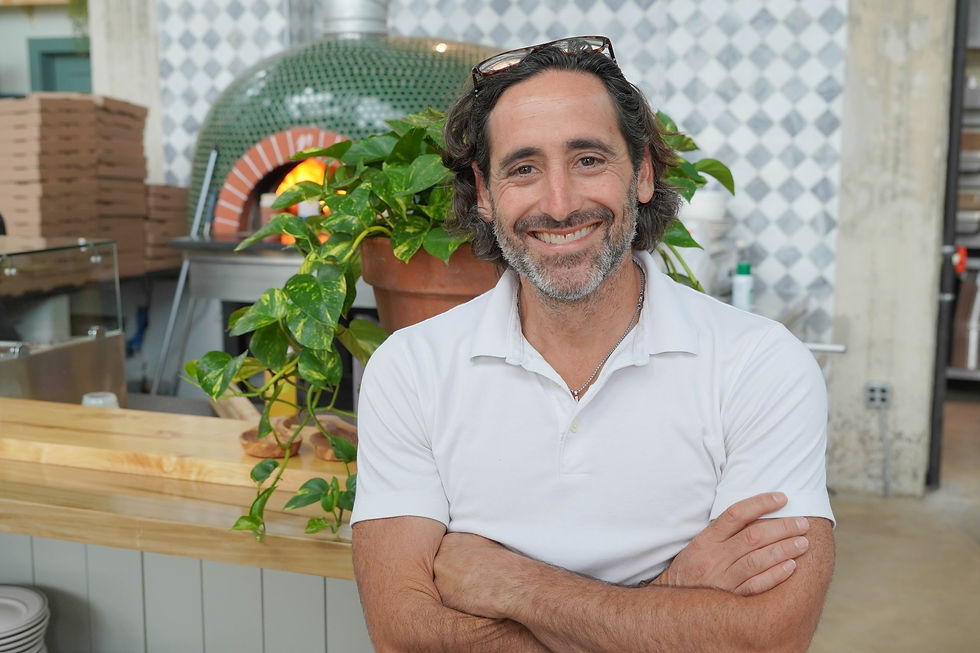
He wants people to feel something when they walk through the door.
“Fun, upbeat, family, good taste, good friends,” Piesner said. “We shoot for personality. We want you to feel it when you walk in the door.”
That focus on family has followed Coastal Crust from its beginning.
Piesner said the business started around 2013 with a mobile wood-fired catering truck in Charleston. The company brought pizza directly to private homes, weddings and other venues before expanding into brick-and-mortar restaurants across South Carolina.

Marketing Director Katy Jurkiw, who has been with the company for seven years, said the ribbon cutting marked another step in a journey she has watched unfold from the beginning.
“I’ve seen the growth from our very first location in Mount Pleasant to now,” Jurkiw said. “This is our sixth.”
Getting there was not as effortless as the finished restaurant might make it appear.
“After all the trials and tribulations, it does look like it was pretty easy,” she said. “But it wasn’t.”
Speaking from the City of Columbia podium today, Piesner credited his wife, Shelly, his family and Coastal Crust’s leadership team with helping the company reach Columbia.
Piesner also pointed to Executive Chef Roderick Nelson and general managers Kirk and Sarah as members of the local team responsible for bringing the new restaurant together.
“This is very humbling,” he said. “We feel very blessed to be here.”
A restaurant designed around family

For Piesner, pizza is personal.
He grew up on Long Island in a large Italian family, surrounded by neighborhood pizza restaurants. His father and other relatives were bakers and entrepreneurs.
After changing directions in his own career, Piesner said he “stumbled across pizza” and developed a love for wood-fired cooking.
That background helped shape the type of restaurant he wanted to create.

As a parent, Piesner said he wanted a place where adults could enjoy good food and a glass of wine without feeling as though they had to leave their children at home.
The Columbia restaurant seats approximately 50 people inside, according to Piesner.
Customers can also carry their food outside to the surrounding lawn and gathering areas.
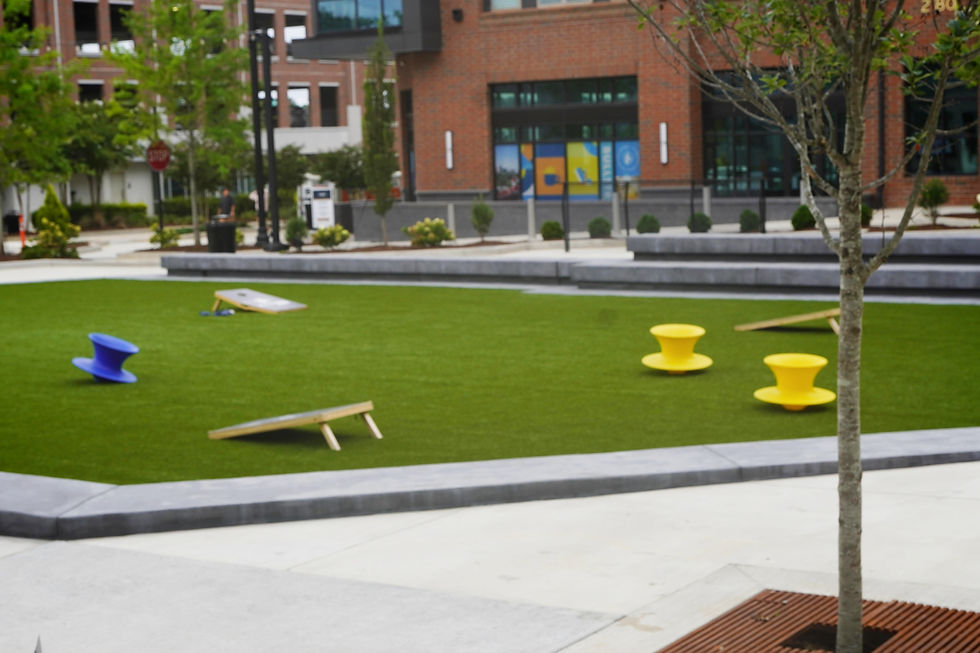
“Food in general is family,” he said. “Around a table and breaking bread. Pizza is the epitome of that.”
The menu reaches beyond pizza to fresh focaccia, antipasti, salads and desserts, with beer and wine rounding out the offerings.
The room carries an unexpected balance. At its center, an emerald-green tiled wood-fired oven glows with an open flame, bringing warmth and movement into the kitchen.

The space never feels heavy. Ample windows and distinctive touches, including personalized tchotchkes, help make the space feel somewhat lived-in as well.
Exposed concrete columns and metal vents preserve an industrial edge, while family photographs and a weathered devotional statue give the room personality.
A Columbia chef leading the kitchen

The person “driving the ship” in the kitchen, as Piesner described him, is Executive Chef Roderick Nelson.
Nelson is a Columbia native who attended Airport High School. He said his love for cooking began while spending time in the kitchen with his grandmother.
“Just growing up watching her and getting in the kitchen with her, getting my hands dirty with her,” Nelson said. “She’s a big part of my life.”
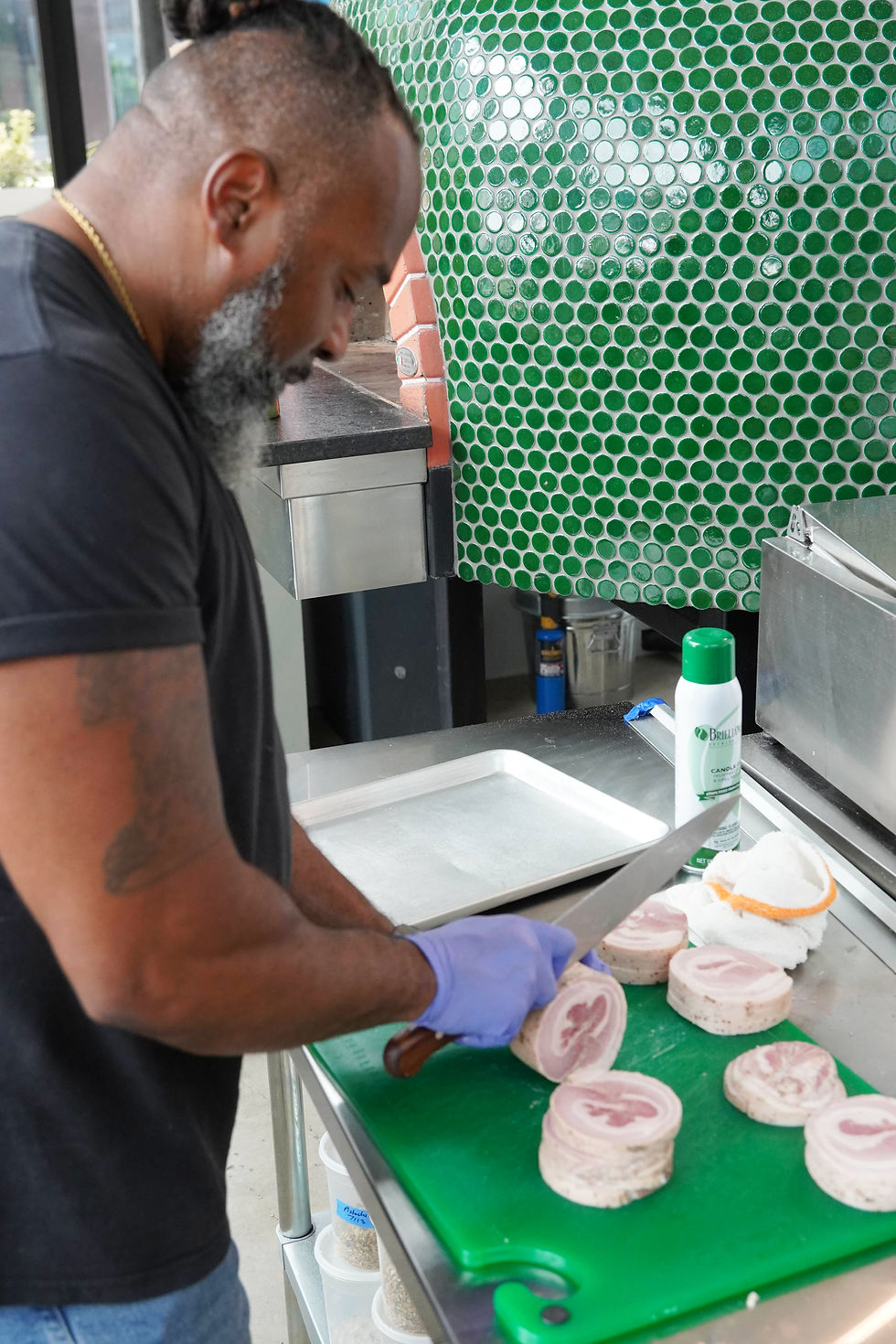
Those early lessons were rooted in soul food, but Nelson later expanded his experience into Greek, Mediterranean, Italian and other cuisines.
Now, he is helping lead a restaurant built around pizza.

Nelson said he wants Coastal Crust to become a place where Columbia residents know they can receive a good meal and genuine hospitality.
He also wants the restaurant to develop a close relationship with the surrounding community.
“I’m looking for uniqueness, bringing a family-style restaurant here, getting to know the community and being one of their favorite places in Columbia to eat,” Nelson said.
The old and the new at BullStreet

One of the restaurant’s most noticeable features is the building itself.
Coastal Crust occupies space connected to the Williams Building, where tall, stately columns from its preserved central façade welcome visitors into a modern restaurant.
Built in 1938 as part of the South Carolina State Hospital campus, the Williams Building once housed patients in what was known as Ward 120. Historical accounts identify it as a female ward and, during another period, as a dormitory for patients receiving treatment for drug and alcohol addiction.
Robert Hughes of Hughes Development said that combination represents part of the larger vision for BullStreet.

“It blends the old with the new,” Hughes said. “The beautiful old Williams Building historic façade on the front, the new glass box on the back that’s home to Coastal Crust Pizza.”
Hughes said he first became familiar with Coastal Crust after eating at one of its other locations. He later contacted Piesner and encouraged him to consider Columbia.
He described the company as a true family operation, recalling visits to the site when he saw Piesner, his children and their friends moving boxes and helping prepare the restaurant.
“We think it’s going to be a tremendous asset for BullStreet and for the entire Midlands,” Hughes said.
Coastal Crust is opening at a time when BullStreet continues its transition from a historic institutional property into a mixed-use district with housing, offices, restaurants, retail and public gathering spaces.
The new business does more than fill another storefront. Its opening adds another family-run operation to a development that is increasingly trying to function as a neighborhood rather than a collection of separate projects.
City leaders welcome the investment

Columbia Mayor Daniel Rickenmann joined business representatives, elected officials and members of the community for the ribbon cutting.
Rickenmann thanked Piesner for investing in Columbia and said locally owned and family-run businesses remain central to the city’s economy.
“Columbia is a home of small business,” Rickenmann said. “It’s been the backbone of our community.”
The mayor said a successful restaurant experience depends not only on the food but also on how people feel when they enter the building.
“The smells, the aromas, the smiles—that’s all part of it,” he said. “That’s what you’re getting here: the total package.”
Jurkiw said the energy surrounding the BullStreet location makes it different from Coastal Crust’s other restaurants.
She pointed to the central lawn and the growing number of nearby dining choices as opportunities for people to gather, spend time together and make memories.
“This area is very vibrant,” Jurkiw said. “I just think it’s a great addition to the BullStreet District.”
At the opening, Jurkiw said the restaurant would operate seven days a week, opening at 11 a.m. and closing at 9 p.m. Sunday through Thursday and at 10 p.m. Friday and Saturday.
Coastal Crust can also be found on Instagram and Facebook under Coastal Crust Columbia.
The restaurant has opened its doors.
For Piesner, building community starts with a simple invitation: bring the family, bring the dog, share a pizza and stay for a while.


Javar Juarez is an award-winning investigative journalist and the founder and publisher of the Columbia Urban Broadcast Network. His reporting centers South Carolina politics, civic affairs and community life, with a focus on the people and institutions often overlooked by legacy media.


Comments